
Table of Contents
Are you tired of being tossed around by your emotions, feeling like you’re constantly reacting instead of responding? Building a resilient mindset is no longer a luxury; it’s a necessity for thriving in today’s complex world. Cultivating mental resilience is essential for emotional well-being, effective stress management, and profound personal growth. One powerful tool for achieving this is the concept of wise mind DBT, a core skill taught in Dialectical Behavior Therapy (DBT). Let’s dive deep into what wise mind DBT is all about and how you can use it to navigate life’s challenges with greater clarity and peace.
Understanding the Core of Wise Mind in DBT
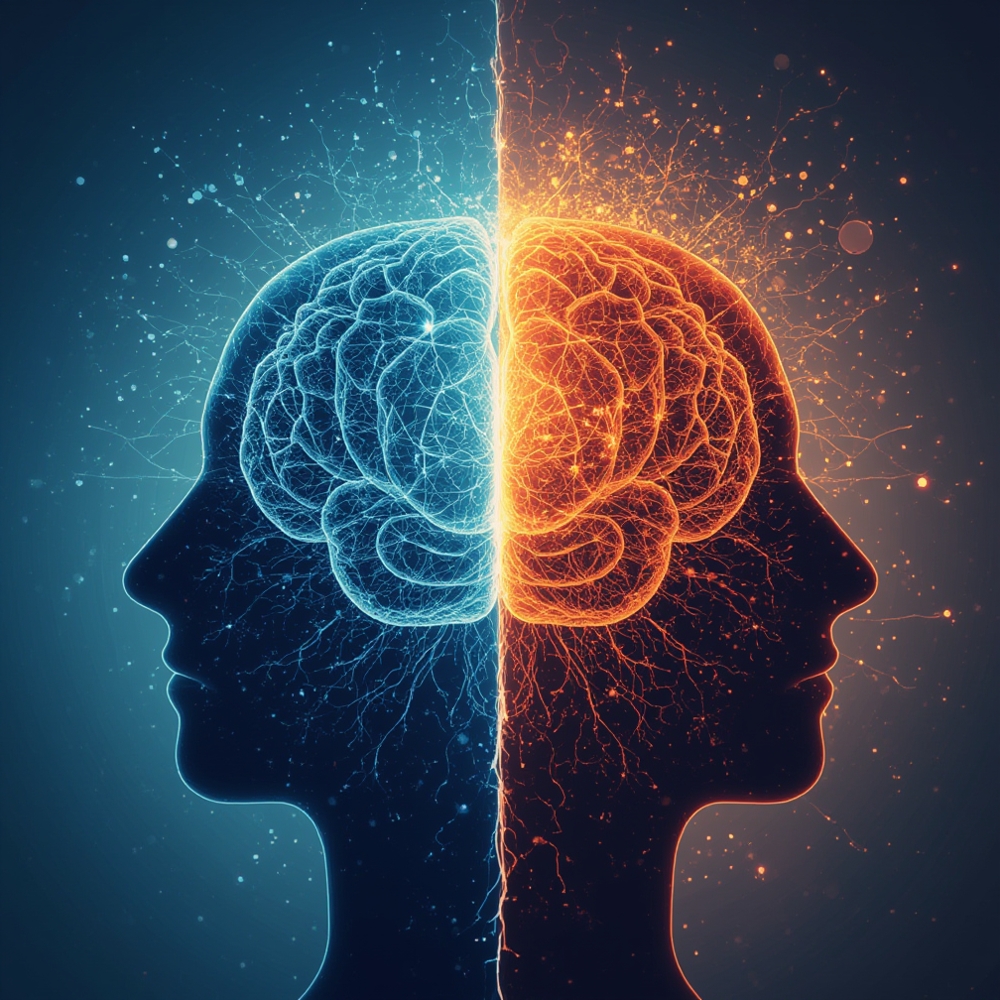
DBT, developed by Dr. Marsha Linehan, is a type of cognitive behavioral therapy (CBT) that focuses on teaching skills to manage emotions, cope with distress, improve relationships, and increase mindfulness. At the heart of DBT lies the concept of wise mind. It’s the integration of two seemingly opposing forces: the rational mind and the emotional mind. Understanding wise mind DBT is the starting point for building a more balanced and effective life.
The Rational Mind: The Logic of Thought
The rational mind, sometimes called the “reasonable mind,” is the part of us that’s driven by facts, logic, and reason. When we’re operating from this place, we make decisions based on objective information, considering the consequences and weighing the pros and cons. It’s the voice that says, “If I study hard, I’ll likely get a good grade.” The rational mind is crucial for problem-solving and planning.
The Emotional Mind: The Power of Feeling
The emotional mind, on the other hand, is driven by feelings, impulses, and moods. It’s the part of us that reacts instinctively, often without considering the long-term implications. When we’re in our emotional mind, we might say things we regret, make impulsive purchases, or withdraw from others. It’s the voice that says, “I feel like it, so I’m going to do it!” While emotions are valuable sources of information, letting them dictate our every move can lead to problems. Sometimes, radical acceptance examples in these situations include acknowledging the intensity of the feeling without acting on it impulsively.
Wise Mind: The Perfect Harmony
Wise mind is the synthesis of the rational and emotional minds. It’s the state where we can access both logic and feeling, allowing us to make decisions that are both reasonable and authentic. It’s about finding the balance between our head and our heart, recognizing the validity of both and integrating them into a cohesive whole. Think of it as accessing your inner wisdom, a place where you can see the bigger picture and make choices that align with your values.
How to Access Your Wise Mind
Accessing your wise mind isn’t always easy, especially when you’re feeling overwhelmed or stressed. Here are some practical techniques you can use to cultivate this state:
Mindfulness Practices
Mindfulness is the foundation of wise mind DBT. By practicing mindfulness, we learn to observe our thoughts and feelings without judgment, creating space between ourselves and our reactions. Simple mindfulness exercises like focusing on your breath, paying attention to your senses, or taking a mindful walk can help you become more aware of your present moment experience. This increased awareness is crucial for noticing when you’re drifting into your emotional or rational mind and gently guiding yourself back to the center.

The “STOP” Skill
The “STOP” skill is a simple yet powerful tool for managing intense emotions. It stands for:
- Stop: Freeze what you’re doing. Don’t react immediately.
- Take a step back: Mentally or physically distance yourself from the situation.
- Observe: Notice your thoughts, feelings, and physical sensations without judgment.
- Proceed mindfully: Act with intention, guided by your wise mind.
The “Pros and Cons” Technique
When faced with a difficult decision, create a pros and cons list for both your rational mind and your emotional mind. This exercise can help you see the situation from different perspectives and identify potential pitfalls. For example, if you’re feeling tempted to quit your job impulsively (emotional mind), consider the pros and cons of quitting versus the pros and cons of staying (rational mind). Then, reflect on what your wise mind would advise.
Radical Acceptance
Sometimes, the most challenging aspect of life is accepting reality as it is. Radical acceptance is a DBT skill that involves fully accepting what you cannot change. It doesn’t mean you approve of the situation, but rather that you acknowledge it without resistance. Examples of radical acceptance examples could include accepting a medical diagnosis, accepting the end of a relationship, or accepting the loss of a loved one. When you practice radical acceptance, you free up energy that would otherwise be spent fighting reality, allowing you to move forward with greater clarity and resilience. Understanding radical acceptance examples can be key to finding peace in difficult times.

TIPP Skill
Another great skill when you’re in emotional distress is called TIPP: Temperature, Intense exercise, Paced Breathing and Progressive Relaxation. You can use these skills separately or together to calm the emotional mind and access your wise mind.
Wise Mind in Action: Real-Life Examples
Let’s look at some examples of how wise mind can be applied in everyday situations:
- Example 1: Conflict in a Relationship: You and your partner are arguing. Your emotional mind wants to lash out and say hurtful things. Your rational mind tells you to withdraw and shut down. Your wise mind, however, recognizes that both your feelings and your partner’s feelings are valid. It guides you to communicate your needs assertively and listen empathetically, seeking a solution that works for both of you. Applying radical acceptance examples in this scenario might involve accepting that your partner has different perspectives and needs.
Example 2: Facing a Setback at Work: You didn’t get the promotion you were hoping for. Your emotional mind feels defeated and wants to give up. Your rational mind tells you to analyze your performance and identify areas for improvement. Your wise mind acknowledges your disappointment but also recognizes your strengths and potential. It guides you to learn from the experience, set new goals, and continue to grow professionally. Radical acceptance examples here could involve accepting the company’s decision and focusing on what you can* control.
- Example 3: Dealing with Anxiety: You’re feeling anxious about an upcoming presentation. Your emotional mind is racing with catastrophic thoughts. Your rational mind is trying to convince you that everything will be fine, but it’s not working. Your wise mind acknowledges your anxiety but also recognizes that you’ve prepared well and have the skills to succeed. It guides you to use relaxation techniques, focus on your breath, and approach the presentation with confidence. Recognizing radical acceptance examples in this case might involve accepting that some anxiety is normal and focusing on managing it effectively.
The Connection to a Resilient Mindset and the Gut-Brain Axis
The concepts of wise mind DBT, resilient mindset, and even the gut-brain axis are more interconnected than you might think. A resilient mindset allows you to bounce back from adversity, and wise mind is a critical tool for developing that resilience. By integrating logic and emotion, you can navigate challenges with greater clarity and adaptability.
Furthermore, research suggests a strong connection between the gut microbiome and mental health, known as the gut-brain axis. An imbalance in gut bacteria can influence mood, anxiety, and even cognitive function. Therefore, supporting gut health through diet, exercise, and stress management can indirectly enhance your ability to access wise mind by promoting overall well-being. When your body and mind are healthy, it’s easier to find that balance between emotion and reason.
The Role of DBT in Traumatic Growth
The traumatic growth concept suggests that individuals who experience significant adversity can sometimes emerge stronger and more resilient as a result. DBT, with its emphasis on skills like wise mind, mindfulness, and distress tolerance, can be instrumental in facilitating this process. By learning to manage their emotions, accept difficult realities, and connect with their inner wisdom, individuals can transform their traumatic experiences into opportunities for growth and self-discovery. Understanding radical acceptance examples becomes especially crucial in this context, as it allows individuals to acknowledge their trauma without being defined by it.
Conclusion: Embrace Your Wise Mind for a More Fulfilling Life
Mastering wise mind DBT is a journey, not a destination. It requires practice, patience, and a willingness to embrace both your rational and emotional sides. By cultivating this skill, you can navigate life’s challenges with greater clarity, resilience, and compassion, and find peace during difficult times by understanding and applying radical acceptance examples. Remember, your inner wisdom is always there, waiting to be accessed. By using the techniques we’ve discussed, you can unlock its power and create a more fulfilling and meaningful life.