Table of Contents
Introduction: Unlock Your Inner Resilience
Do you ever feel overwhelmed by your emotions, struggling to navigate the complexities of daily life? Cultivating mental resilience is paramount for emotional well-being, effective stress management, and sustained personal growth. One powerful tool that can help you build this resilience is the use of DBT cards. These cards, designed to guide you through Dialectical Behavior Therapy (DBT) techniques, offer practical strategies for managing intense emotions and improving interpersonal relationships. This article will explore how dbt cards can be a transformative addition to your mental wellness toolkit.
Understanding the Power of a Resilient Mindset
A resilient mindset isn’t about avoiding challenges; it’s about how you respond to them. It’s the ability to bounce back from adversity, learn from setbacks, and maintain a positive outlook even in the face of difficulty. Think of it as mental flexibility – the capacity to adapt to changing circumstances and thrive despite them. Cognitive Behavioral Therapy (CBT) often forms the foundation for building such resilience, focusing on identifying and modifying negative thought patterns. However, for individuals struggling with intense emotions or personality disorders, Dialectical Behavior Therapy (DBT) provides a more comprehensive approach.
The Connection Between Resilience and Emotional Well-being
Emotional well-being is directly linked to our ability to regulate our emotions effectively. When we can manage our feelings, we experience less stress, anxiety, and depression. This, in turn, impacts our physical health, relationships, and overall quality of life. A resilient mindset equips us with the tools to navigate emotional storms and emerge stronger on the other side.
The Gut-Brain Axis: An Unexpected Ally in Building Resilience
Interestingly, our gut health also plays a significant role in emotional regulation. The gut-brain axis is a complex communication network that links the digestive system to the brain. Research shows that a healthy gut microbiome can positively influence mood, anxiety, and even cognitive function. By prioritizing gut health through a balanced diet and stress management techniques, we can further enhance our mental resilience.
What are DBT Cards and Why Use Them?
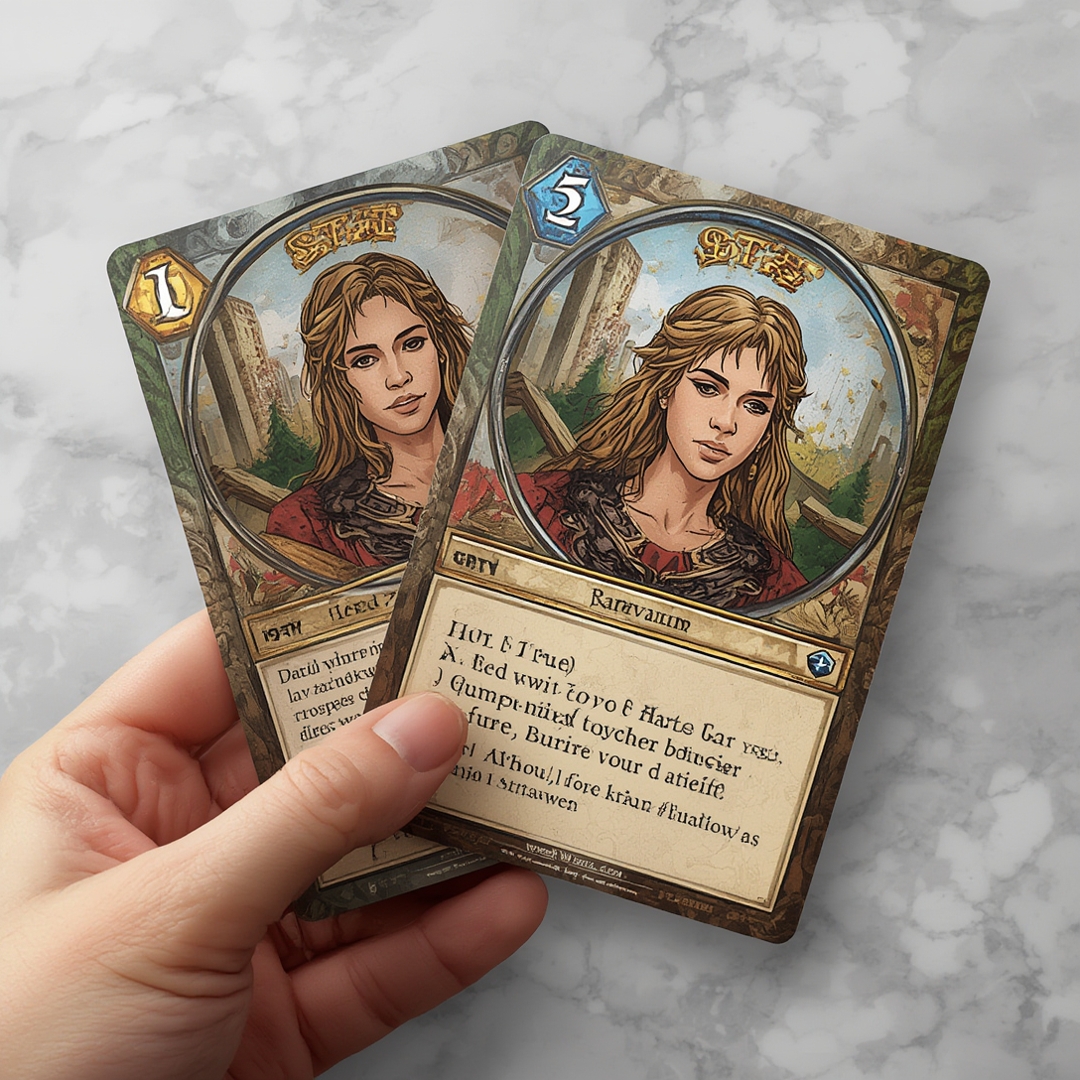
DBT cards are practical tools designed to help individuals learn and apply DBT skills in their daily lives. They typically contain concise descriptions of DBT techniques, along with prompts or exercises to guide you through the process. These cards cover a range of skills, including mindfulness, distress tolerance, emotion regulation, and interpersonal effectiveness. The accessibility of dbt cards makes them invaluable for quick reference and immediate application during moments of emotional distress.
The Core Principles of DBT
Dialectical Behavior Therapy (DBT) is a type of cognitive-behavioral therapy developed by Marsha M. Linehan. It’s particularly effective for individuals struggling with borderline personality disorder, self-harm, and suicidal ideation. DBT emphasizes four key skill areas:
- Mindfulness: Paying attention to the present moment without judgment.
- Distress Tolerance: Learning to cope with intense emotions without making things worse.
- Emotion Regulation: Identifying, understanding, and changing emotional responses.
- Interpersonal Effectiveness: Improving communication and relationship skills.
How DBT Cards Facilitate Learning and Application
DBT cards break down these complex skills into manageable steps, making them easier to understand and apply. They serve as reminders of specific techniques and provide guidance on how to use them effectively. By consistently using dbt cards, you can gradually internalize DBT skills and develop a more resilient and balanced approach to life.
Deep Dive: DBT Interpersonal Effectiveness Skills
DBT places a strong emphasis on DBT interpersonal effectiveness skills, which are crucial for building and maintaining healthy relationships. These skills involve assertiveness, empathy, and the ability to communicate your needs and boundaries effectively. Mastering DBT interpersonal effectiveness skills can significantly improve your relationships and reduce interpersonal conflict.
The DEAR MAN GIVE FAST Technique
One of the most widely used DBT interpersonal effectiveness skills is the DEAR MAN GIVE FAST technique. This acronym provides a structured approach to assertive communication:
- Describe: State the facts of the situation objectively.
- Express: Share your feelings about the situation.
- Assert: Clearly state what you want or need.
- Reinforce: Explain the positive consequences of getting what you want.
- Mindful: Stay focused on your goal and avoid getting sidetracked.
- Appear Confident: Use a confident tone and body language.
- Negotiate: Be willing to compromise to reach a solution.
- Gentle: Be polite and avoid attacking the other person.
- Interested: Show genuine interest in the other person’s perspective.
- Validate: Acknowledge the other person’s feelings and opinions.
- Easy Manner: Use a relaxed and friendly demeanor.
- Fair: Be fair and reasonable in your requests.
- Apologies: Offer sincere apologies when appropriate.
- Stick to values: Don’t compromise your values.
- Truthful: Be honest and truthful in your communication.
Learning and practicing these DBT interpersonal effectiveness skills, with the aid of dbt cards, can dramatically improve your ability to navigate challenging social situations.
Practical Examples of Using DBT Interpersonal Effectiveness Skills
Imagine you’re feeling overwhelmed by a colleague who constantly asks for help with tasks outside of your job description. Using the DEAR MAN technique, you could say: “I’ve noticed that you’ve been asking me for help with tasks that aren’t part of my job description (Describe). I’m feeling overwhelmed because I have my own workload to manage (Express). I need you to try completing these tasks on your own or seek help from someone else (Assert). If I can focus on my own work, I’ll be more productive and less stressed (Reinforce).” Remember to approach the conversation with a calm and confident demeanor (Mindful, Appear Confident, Negotiate).
Integrating DBT Cards into Your Daily Routine
Making dbt cards a regular part of your day doesn’t have to be complicated. Here are some practical ways to incorporate them:
Creating a DBT Toolkit
Gather a collection of dbt cards that address your specific needs and challenges. This might include cards focused on mindfulness, distress tolerance, or emotion regulation. Keep your dbt cards in a convenient location, such as your purse, backpack, or desk drawer, so you can easily access them whenever you need them.
Daily Practice and Reflection
Take a few minutes each day to review one or two dbt cards. Reflect on how you can apply the skills described in your daily life. Consider keeping a journal to track your progress and identify any challenges you encounter. This reflective practice can help you deepen your understanding of DBT and improve your ability to use the skills effectively.
Using DBT Cards in Moments of Crisis
When you’re feeling overwhelmed or experiencing intense emotions, reach for your dbt cards. Choose a card that addresses the specific emotion or situation you’re facing. Follow the steps outlined on the card to help you regulate your emotions and cope with the distress. Remember to practice self-compassion and be patient with yourself as you learn and apply these skills.
The Role of DBT in Traumatic Growth
Traumatic growth, or post-traumatic growth, refers to the positive psychological change experienced as a result of struggling with highly challenging life circumstances. DBT, with its emphasis on emotional regulation and coping skills, can play a significant role in facilitating traumatic growth. By learning to manage intense emotions and develop healthier coping mechanisms, individuals can transform their trauma into an opportunity for personal growth and resilience.
DBT and the Development of Resilience After Trauma
DBT helps individuals develop resilience by providing them with the tools to process their traumatic experiences, manage their emotions, and build stronger relationships. The skills learned through DBT can empower individuals to reclaim their lives and create a more meaningful and fulfilling future. The use of dbt cards becomes even more crucial in such cases, serving as constant reminders of the learned coping strategies.
Beyond DBT Cards: Continued Growth and Support
While dbt cards are a valuable tool, they’re just one component of a comprehensive approach to mental wellness. Consider seeking professional support from a therapist or counselor who is trained in DBT. They can provide personalized guidance and support as you navigate your healing journey. Also, remember the importance of self-care practices such as exercise, healthy eating, and sufficient sleep.
Building a Supportive Community
Connecting with others who understand your struggles can be incredibly beneficial. Consider joining a support group or online forum where you can share your experiences and learn from others. Building a supportive community can provide a sense of belonging and reduce feelings of isolation. You might find others who also use dbt cards and can share their experiences.
Conclusion: Embrace the Journey to a Resilient You
DBT cards offer a practical and accessible way to learn and apply Dialectical Behavior Therapy skills. By integrating these cards into your daily routine, you can enhance your emotional regulation, improve your relationships, and build a more resilient mindset. Remember that building resilience is a journey, not a destination. Be patient with yourself, celebrate your progress, and seek support when needed. The consistent application of DBT interpersonal effectiveness skills will lead to positive changes in your relationships and overall well-being. Embrace the power of dbt cards and start building a more resilient and fulfilling life today. Remember the importance of continuous learning and self-compassion as you incorporate these techniques into your life.