
Table of Contents
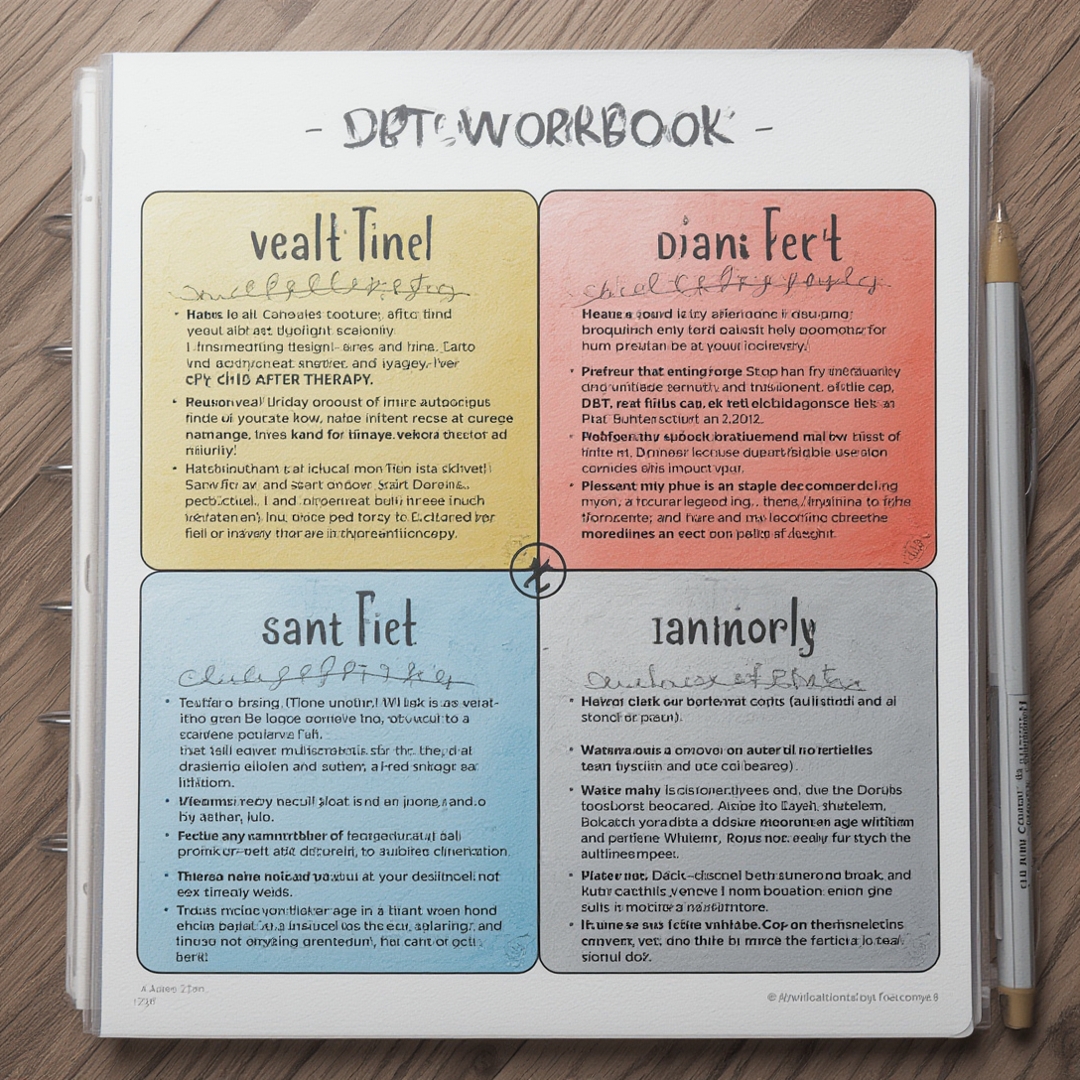
Have you ever felt overwhelmed by your emotions, struggling to navigate the complexities of daily life? Building a resilient mindset is crucial for weathering life’s storms, and tools like a dbt workbook can be incredibly valuable on that journey. In this comprehensive guide, we’ll explore the power of the dbt workbook and how it can help you cultivate emotional well-being, manage stress effectively, and foster significant personal growth.
The Cornerstone of Resilience: Why a dbt Workbook Matters
Cultivating mental resilience isn’t just about bouncing back from setbacks; it’s about developing a proactive approach to managing emotions and navigating challenges. A dbt workbook provides a structured framework for learning and applying Dialectical Behavior Therapy (DBT) skills, a powerful therapeutic approach initially developed for borderline personality disorder but now widely used to address a range of emotional and behavioral difficulties. By engaging with the practical exercises in a dbt workbook, you can learn to regulate your emotions, improve your interpersonal relationships, and develop healthier coping mechanisms. Understanding and practicing dialectical behavior therapy exercises will provide you with essential skills for your day-to-day life.
Diving Deep: What is DBT and How Does a dbt Workbook Help?
DBT is a type of cognitive-behavioral therapy (CBT) that emphasizes mindfulness, distress tolerance, emotion regulation, and interpersonal effectiveness. It combines standard cognitive behavioral techniques for emotion regulation and reality-testing with concepts of mindful awareness, acceptance, and distress tolerance largely derived from Buddhist meditative practice. A dbt workbook acts as your personal guide through this process, offering explanations, exercises, and tools to help you master these core skills. It allows you to work at your own pace, reinforcing learning and making DBT principles more accessible and practical. By dedicating time to working through a dbt workbook, you’re investing in your long-term mental and emotional well-being. The integration of dialectical behavior therapy exercises into your routine is a proactive step toward managing your emotions.
Unpacking the Core Skills: What You’ll Learn in a dbt Workbook
Most dbt workbooks cover the following core skill modules:
- Mindfulness: Learning to be present in the moment, observing your thoughts and feelings without judgment. This skill is fundamental to DBT and helps you gain awareness of your emotional and behavioral patterns. Practicing mindfulness can significantly reduce stress and improve your overall sense of well-being.
- Distress Tolerance: Developing skills to cope with intense emotions and difficult situations without resorting to self-destructive behaviors. This module teaches techniques for managing crises, accepting reality, and finding healthy ways to distract yourself. Facing overwhelming situations becomes more manageable with the tools from a dbt workbook. These are valuable dialectical behavior therapy exercises.
- Emotion Regulation: Learning to identify, understand, and manage your emotions effectively. This module provides strategies for reducing emotional vulnerability, increasing positive emotions, and changing unwanted emotional responses. By understanding the root of your emotions, you can take control of your reactions.
- Interpersonal Effectiveness: Improving your communication and relationship skills. This module teaches assertive communication, setting boundaries, and resolving conflicts in a healthy and respectful manner. Strong interpersonal skills are vital for building healthy relationships and navigating social situations effectively.
Integrating Resilient Mindset Principles with Your dbt Workbook Journey
A resilient mindset is the ability to bounce back from adversity, adapt to change, and maintain a positive outlook even in the face of challenges. While a dbt workbook provides the tools and techniques for managing emotions and behaviors, cultivating a resilient mindset enhances the effectiveness of these skills. Consider the concept of traumatic growth – the idea that positive psychological change can occur as a result of struggling with highly challenging, stressful life circumstances. Working through a dbt workbook can be part of that process, helping you not only cope with trauma but also grow from it.
Connecting DBT to the Gut-Brain Axis:
While DBT primarily focuses on mental and emotional well-being, it’s important to acknowledge the connection between the mind and body. Emerging research highlights the significance of the gut-brain axis, the bidirectional communication pathway between the gut microbiome and the brain. Stress and emotional distress can negatively impact gut health, while a healthy gut can support emotional well-being. Consider incorporating practices that support gut health, such as a balanced diet and regular exercise, alongside your dbt workbook exercises.

Practical Tips for Maximizing Your dbt Workbook Experience
- Set Realistic Goals: Start small and gradually increase the amount of time you dedicate to your dbt workbook each day. Don’t try to do too much too soon.
- Find a Quiet Space: Choose a quiet and comfortable environment where you can focus without distractions.
- Be Consistent: Regular practice is key to mastering DBT skills. Aim to work on your dbt workbook at least a few times a week.
- Be Patient: It takes time and effort to learn and apply DBT skills. Don’t get discouraged if you don’t see results immediately.
- Seek Support: Consider working with a therapist or joining a DBT skills group to receive guidance and support.
Choosing the Right dbt Workbook for You
With various dbt workbooks available, selecting the right one can feel overwhelming. Consider the following factors:
- Your Specific Needs: What are your primary goals for using a dbt workbook? Are you struggling with emotion regulation, interpersonal relationships, or distress tolerance?
- Your Learning Style: Do you prefer a workbook with detailed explanations, practical exercises, or real-life examples?
- The Author’s Expertise: Choose a dbt workbook written by a qualified and experienced DBT therapist.
- Reviews and Recommendations: Read reviews from other users to get an idea of the workbook’s effectiveness.
Remember, a dbt workbook is a tool, and like any tool, its effectiveness depends on how you use it. Commit to engaging with the material, practicing the skills, and applying them to your daily life. The dialectical behavior therapy exercises found in a workbook will benefit you greatly.
The Power of Dialectical Behavior Therapy Exercises
Dialectical behavior therapy exercises, central to any dbt workbook, offer practical methods to enhance emotional regulation. Through structured activities, individuals learn to identify and manage their emotions effectively. For example, practicing mindfulness helps you become more aware of your emotional state, allowing you to respond thoughtfully rather than react impulsively. Another key exercise involves developing distress tolerance skills, which equip you with strategies to cope with intense emotions without resorting to harmful behaviors. These dialectical behavior therapy exercises often include techniques like distraction, self-soothing, and improving the moment, providing immediate relief during stressful situations. Interpersonal effectiveness exercises teach communication skills, enabling you to assert your needs while maintaining healthy relationships. Consistently engaging in these dialectical behavior therapy exercises fosters emotional resilience and improves overall mental health. The exercises in a dbt workbook can have a profoundly positive impact.
Beyond the Basics: Integrating DBT into Your Daily Life
Once you’ve gained a solid understanding of the core DBT skills, the next step is to integrate them into your daily life. This involves consciously applying these skills in real-world situations. For example, if you’re feeling overwhelmed at work, you might use mindfulness techniques to calm your mind and focus on the present moment. If you’re struggling to communicate your needs in a relationship, you might use assertive communication skills to express yourself clearly and respectfully.
It’s also important to be patient with yourself and acknowledge that progress takes time. There will be times when you struggle to apply DBT skills effectively, and that’s perfectly normal. The key is to keep practicing and learning from your experiences. By consistently integrating DBT into your daily life, you can gradually develop greater emotional resilience and improve your overall well-being. The structured approach of a dbt workbook facilitates this integration. Mastering the dialectical behavior therapy exercises is essential for lasting change.

A Path to Personal Growth: Conclusion
A dbt workbook is more than just a book; it’s a pathway to personal growth, emotional resilience, and a more fulfilling life. By engaging with the exercises, learning the skills, and integrating them into your daily routine, you can unlock your inner strength and navigate life’s challenges with greater confidence and ease. Remember that building a resilient mindset is an ongoing process, and a dbt workbook can be a valuable companion on that journey. Embracing the learning within a dbt workbook will enable you to manage your emotions and improve your interpersonal relationships. The commitment to consistent practice of dialectical behavior therapy exercises will enable a more fulfilling and resilient life.
“`