
Master Dialectical Therapy for Better Mental Health

Table of Contents
Do you ever feel overwhelmed by your emotions, like you’re constantly riding a rollercoaster? Building a resilient mindset is key to navigating life’s ups and downs. In today’s fast-paced world, cultivating mental resilience is more crucial than ever for emotional well-being, effective stress management, and fostering personal growth. One powerful tool in achieving this resilience is DBT psychology, a therapeutic approach designed to help individuals manage intense emotions, improve relationships, and live more fulfilling lives. Let’s delve into the world of DBT and discover how it can transform your life.
Understanding the Foundations of DBT Psychology
DBT psychology, or Dialectical Behavior Therapy, is a form of psychotherapy that combines cognitive behavioral techniques with mindfulness practices. Developed by Dr. Marsha Linehan, it was initially created to treat borderline personality disorder (BPD), but its effectiveness has since been proven for a wide range of other mental health challenges, including depression, anxiety, eating disorders, and substance abuse. At its core, DBT psychology emphasizes the importance of accepting oneself while simultaneously striving for change. This balance, known as dialectics, is a cornerstone of the therapy.
The Dialectical Approach
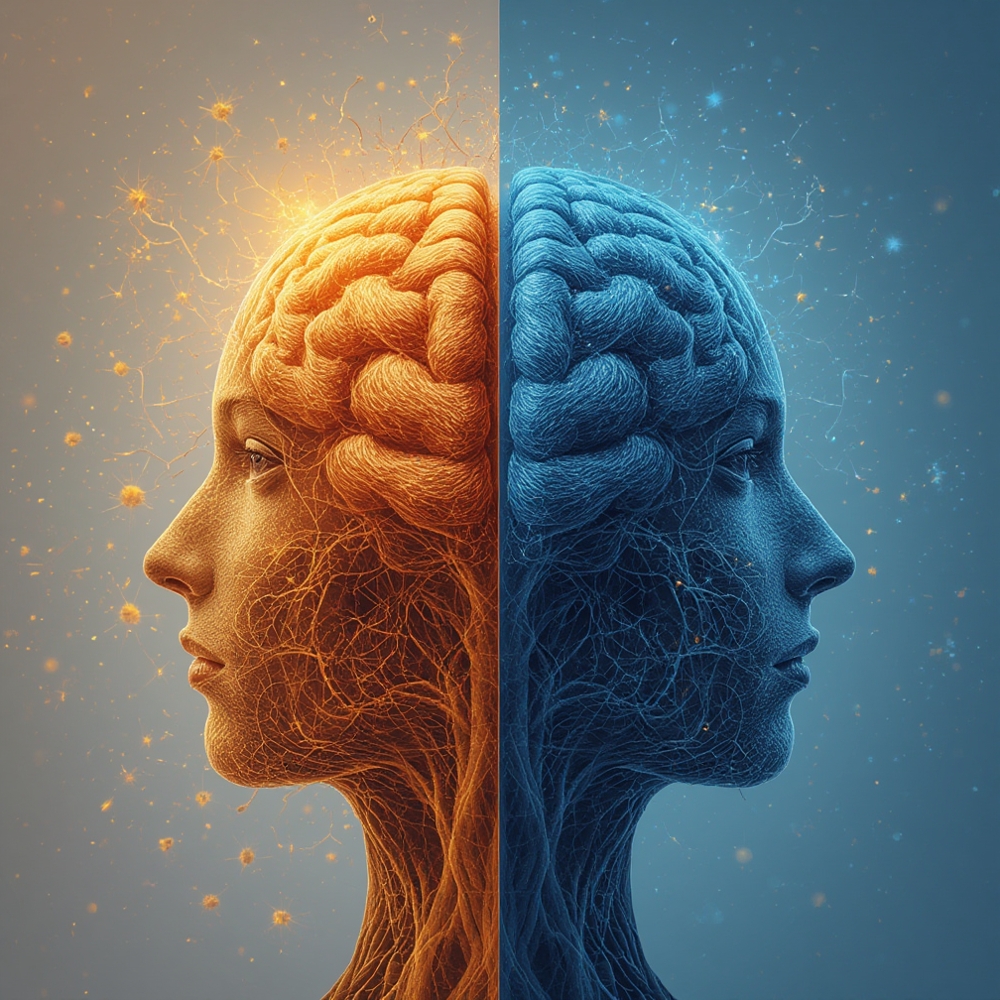
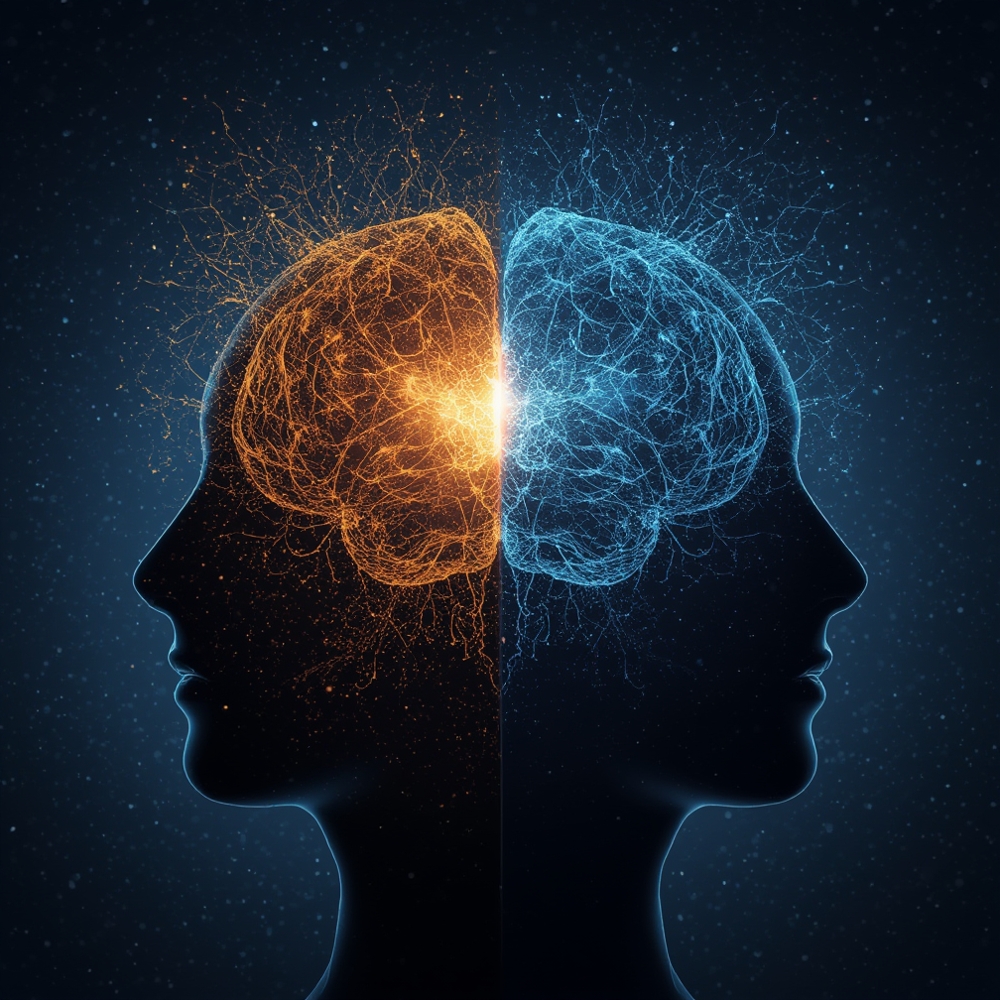
The “dialectical” aspect of DBT psychology focuses on finding a middle ground between opposing ideas. For instance, accepting yourself as you are while acknowledging the need for change is a dialectical tension. This approach helps individuals move away from black-and-white thinking and embrace a more nuanced understanding of themselves and the world around them. By integrating acceptance and change, DBT empowers individuals to develop a more balanced and resilient perspective.
The Behavioral Component
The behavioral component of DBT psychology focuses on learning specific skills to manage emotions, improve interpersonal relationships, and cope with distress. These skills are taught in a structured group setting and reinforced through individual therapy sessions. The goal is to equip individuals with practical tools they can use in their daily lives to navigate challenging situations and build a more fulfilling life.
The Four Core Skill Modules of DBT
DBT psychology incorporates four core skill modules, each designed to address specific aspects of emotional regulation and interpersonal effectiveness. Understanding these modules is crucial for appreciating the comprehensive nature of DBT. Let’s explore each one in detail.
1. Mindfulness: Being Present in the Moment
Mindfulness is the practice of paying attention to the present moment without judgment. In DBT psychology, mindfulness skills help individuals become more aware of their thoughts, feelings, and sensations, allowing them to observe their experiences without getting carried away by them. This skill is fundamental to all other DBT skills, as it provides the foundation for emotional regulation and effective communication. Practicing mindfulness can involve activities like meditation, mindful breathing, or simply paying attention to your senses during everyday tasks.
2. Distress Tolerance: Surviving Crises Without Making Them Worse
Distress tolerance skills are designed to help individuals cope with intense emotional pain without resorting to harmful behaviors. These skills provide practical strategies for managing crises in the moment, such as distraction techniques, self-soothing activities, and improving the moment. The goal is not to eliminate the pain but to tolerate it without making the situation worse. Mastering distress tolerance is essential for building resilience and preventing impulsive reactions.
3. Emotion Regulation: Managing and Changing Emotions
Emotion regulation skills teach individuals how to understand and manage their emotions more effectively. This module focuses on identifying and labeling emotions, understanding the function of emotions, reducing emotional vulnerability, and increasing positive emotional experiences. DBT psychology emphasizes that emotions are not inherently bad, but rather provide valuable information about our needs and values. By learning to regulate emotions, individuals can reduce the intensity of their emotional reactions and respond to situations in a more adaptive way.
4. Interpersonal Effectiveness: Building and Maintaining Healthy Relationships
Interpersonal effectiveness skills focus on improving communication and assertiveness in relationships. This module teaches individuals how to ask for what they need, say no effectively, and maintain healthy boundaries. DBT psychology recognizes that healthy relationships are essential for emotional well-being. By developing strong interpersonal skills, individuals can build more satisfying and supportive relationships, reducing feelings of isolation and increasing their overall sense of connection.
How DBT Skills Training Contributes to a Resilient Mindset
DBT skills training is a structured program designed to teach individuals the four core skill modules of DBT. Through a combination of didactic teaching, role-playing, and homework assignments, participants learn how to apply these skills in their daily lives. DBT skills training is typically conducted in a group setting, which provides a supportive environment for learning and practicing new skills.

The Role of DBT Skills Training in Building Resilience
DBT skills training plays a crucial role in building a resilient mindset by equipping individuals with practical tools for managing emotions, coping with stress, and building healthy relationships. The skills taught in DBT help individuals develop a greater sense of self-awareness, emotional regulation, and interpersonal effectiveness. This, in turn, leads to increased resilience and the ability to bounce back from adversity.
Integrating DBT with Cognitive Behavioral Therapy (CBT)
While DBT psychology shares some similarities with Cognitive Behavioral Therapy (CBT), it also incorporates unique elements that distinguish it from CBT. Both therapies focus on identifying and changing maladaptive thoughts and behaviors, but DBT psychology places a greater emphasis on acceptance and validation, as well as mindfulness practices. Integrating DBT with CBT can be particularly effective for individuals who struggle with intense emotions and interpersonal difficulties.
The Connection to Traumatic Growth
The concept of traumatic growth, the transformative positive change that can occur after experiencing trauma, is very much intertwined with DBT’s principles. By learning to manage intense emotions and develop coping mechanisms through DBT psychology, individuals can find ways to grow from adversity, finding strength and resilience in the aftermath of challenging experiences. This can include a deeper appreciation for life, improved relationships, and a stronger sense of self.
The Gut-Brain Axis and its Influence on DBT Effectiveness
While not a direct component of DBT itself, understanding the gut-brain axis can enhance the effectiveness of DBT psychology. The gut-brain axis refers to the bidirectional communication pathway between the gut and the brain. Research has shown that the gut microbiome can influence mood, anxiety, and stress levels. By supporting gut health through diet and lifestyle changes, individuals can potentially improve their emotional well-being and enhance their ability to benefit from DBT skills training.
Practical Steps to Integrate Gut Health into Your DBT Journey
Consider incorporating these steps:
- Probiotic-Rich Foods: Include fermented foods like yogurt, kefir, and sauerkraut in your diet.
- Fiber Intake: Increase your intake of fiber-rich foods like fruits, vegetables, and whole grains to support a healthy gut microbiome.
- Stress Management: Practice stress-reducing techniques like meditation, yoga, or deep breathing exercises.
- Hydration: Drink plenty of water to support healthy digestion and gut function.
Finding a DBT Therapist and Resources
If you’re interested in exploring DBT psychology, it’s essential to find a qualified therapist who is trained and experienced in this approach. Look for a therapist who has completed specialized training in DBT and is licensed to practice in your state. You can also consult with your primary care physician or a mental health professional for referrals.
Resources for Learning More About DBT
There are many resources available to help you learn more about DBT psychology, including books, websites, and online courses. Some recommended resources include:
- Books: “Dialectical Behavior Therapy Skills Workbook” by Marsha Linehan
- Websites: The Linehan Institute, Behavioral Tech
- Support Groups: Mental Health America (MHA), National Alliance on Mental Illness (NAMI)
By accessing these resources, you can gain a deeper understanding of DBT psychology and how it can help you build a more resilient and fulfilling life. This comprehensive approach combines validation and acceptance with practical skills training, making it a powerful tool for personal growth and emotional well-being.
Conclusion: Embracing Resilience with DBT Psychology
In conclusion, DBT psychology offers a comprehensive and effective approach to building resilience, managing emotions, and improving relationships. By learning and applying the four core skill modules – mindfulness, distress tolerance, emotion regulation, and interpersonal effectiveness – individuals can develop a greater sense of self-awareness, emotional control, and interpersonal competence. Remember that building resilience is a journey, not a destination. By embracing the principles of DBT psychology and engaging in consistent practice, you can cultivate a resilient mindset and navigate life’s challenges with greater confidence and ease. The skills you learn through DBT skills training are invaluable tools for navigating life’s complexities and fostering a more balanced and fulfilling existence.